Please note that we are adding stock daily, if any item is showing no stock or not listed please contact us. Thank you for your patience and support

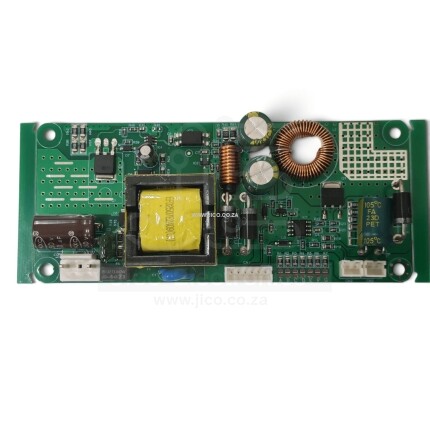
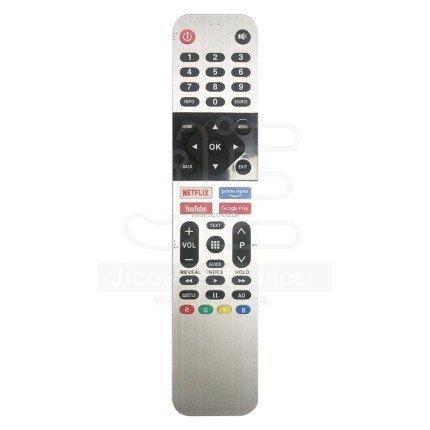
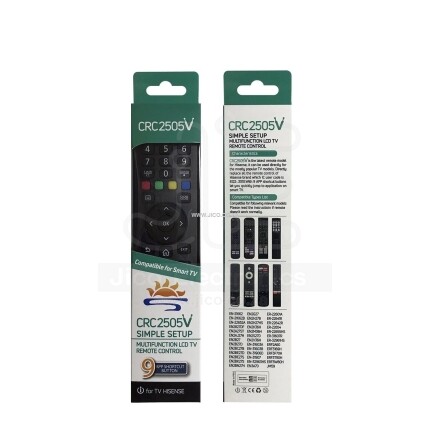


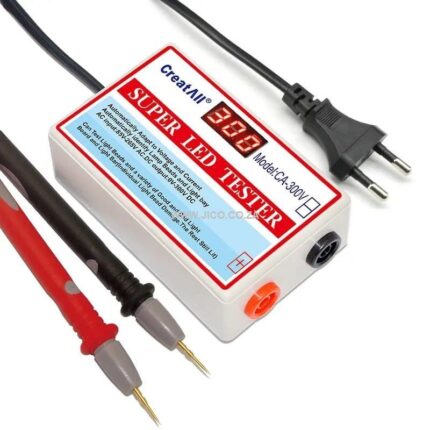


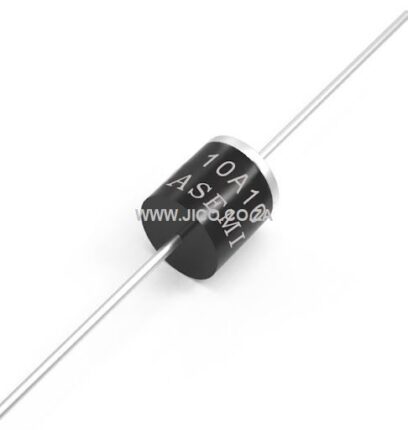



















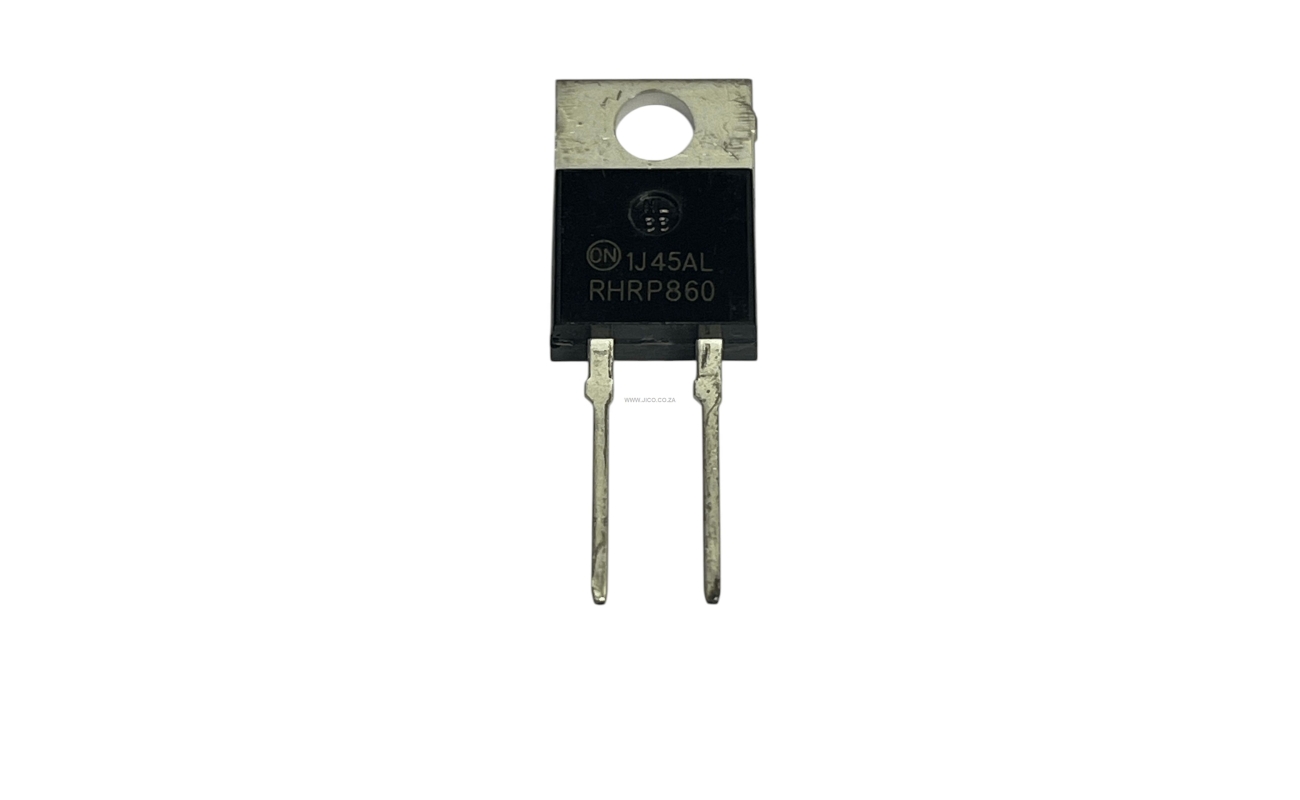
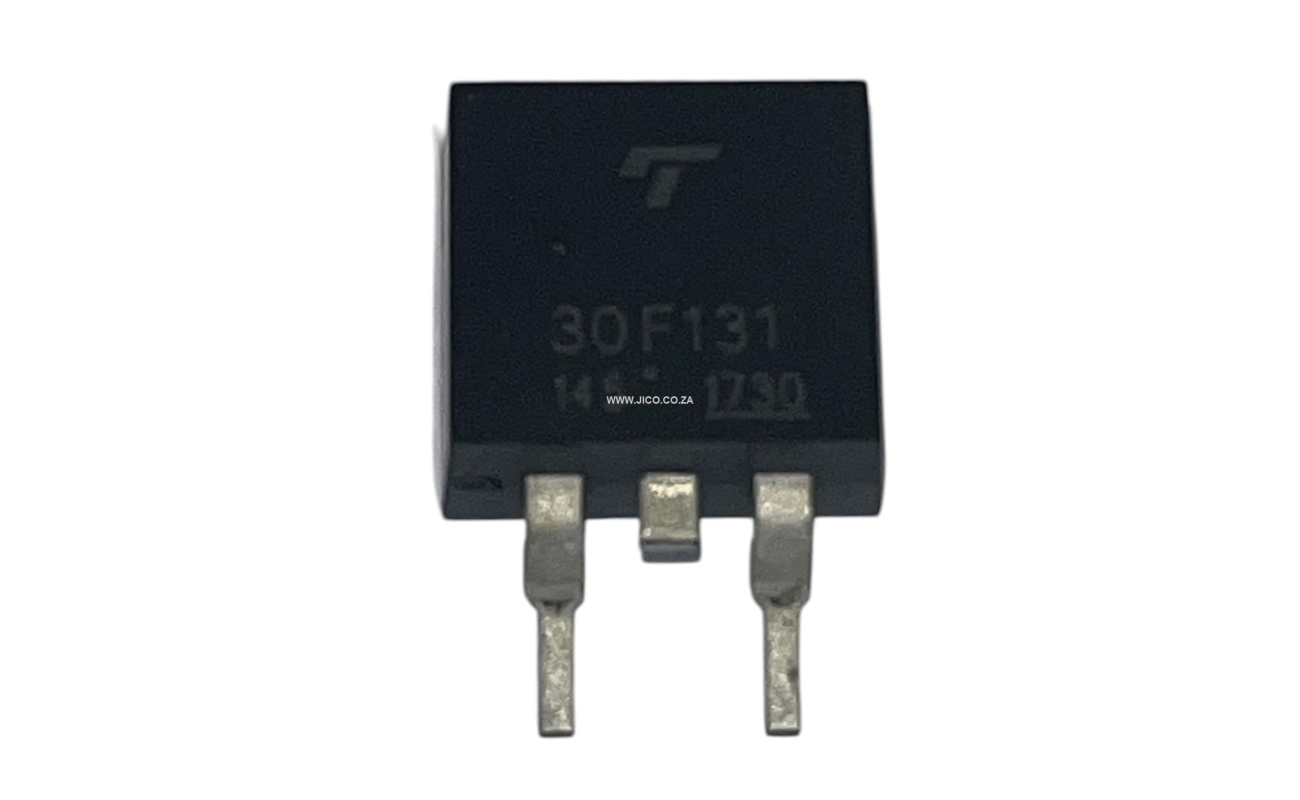
MOSFET Transistor's for Invertors, Car Amplifiers, TV Repairs, Power Supplies & More
Original & high grade replacements available
We constantly loading stock. if you cant find what you looking for let us know





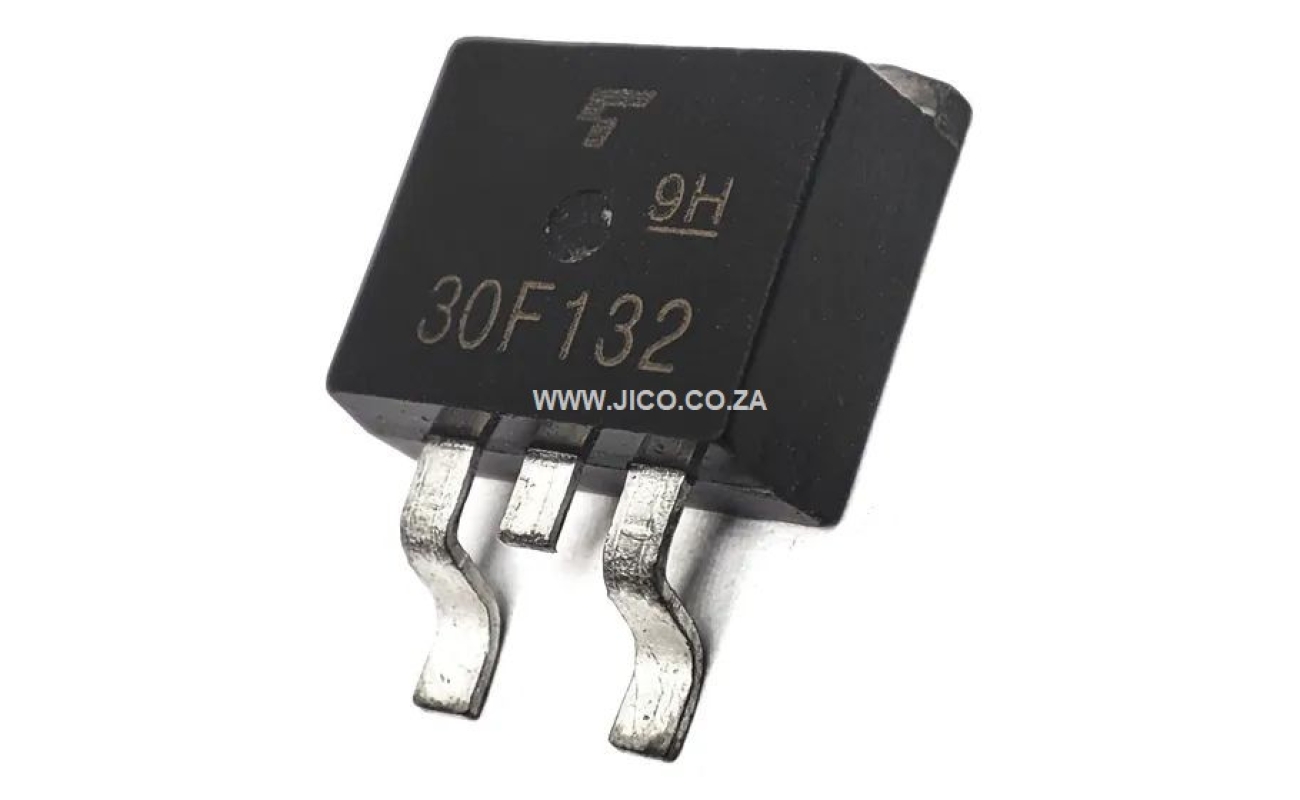
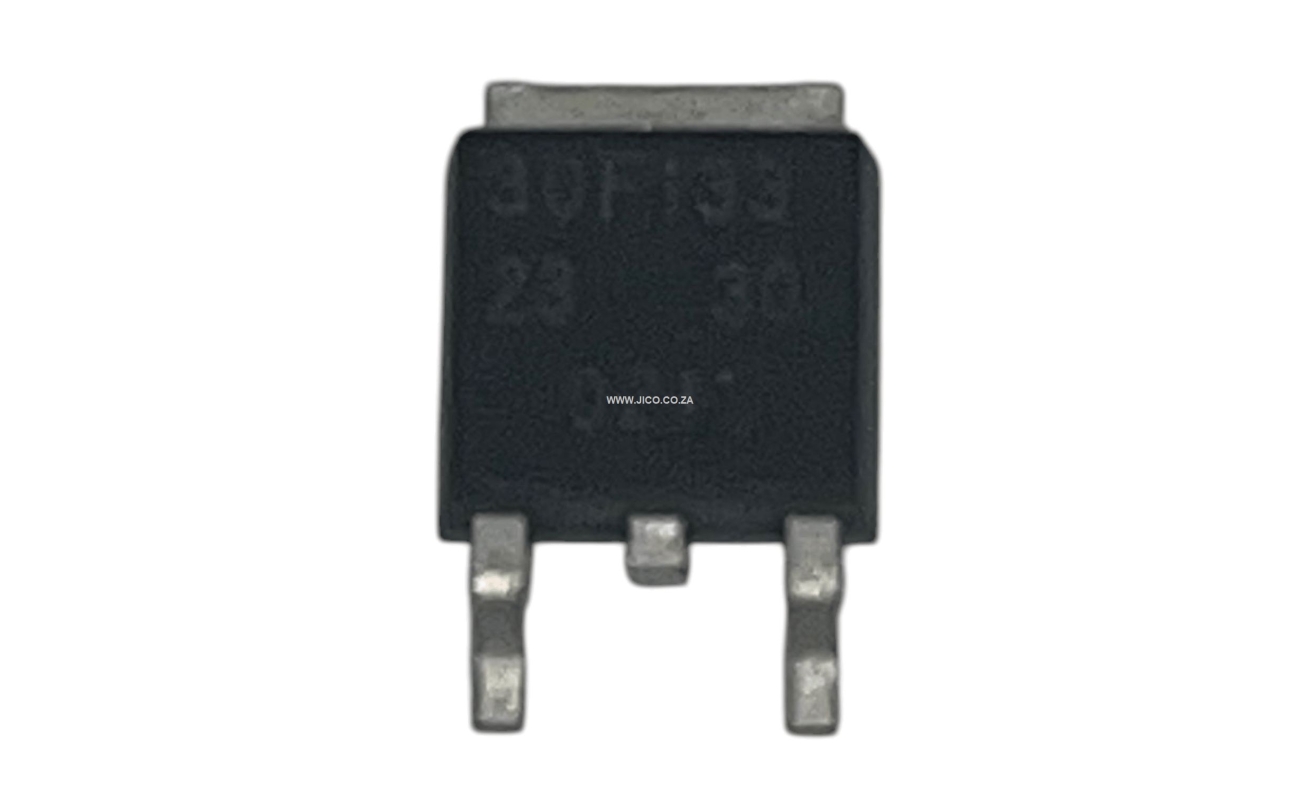

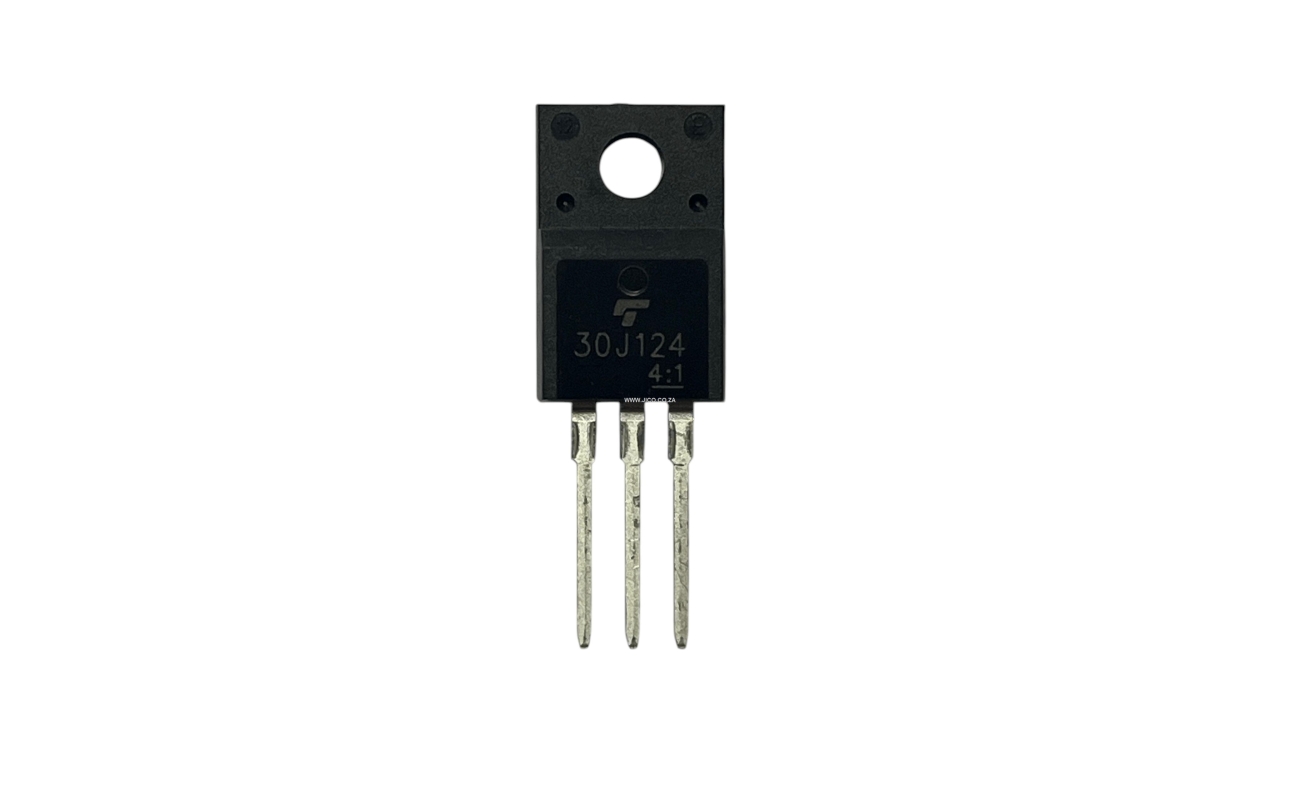


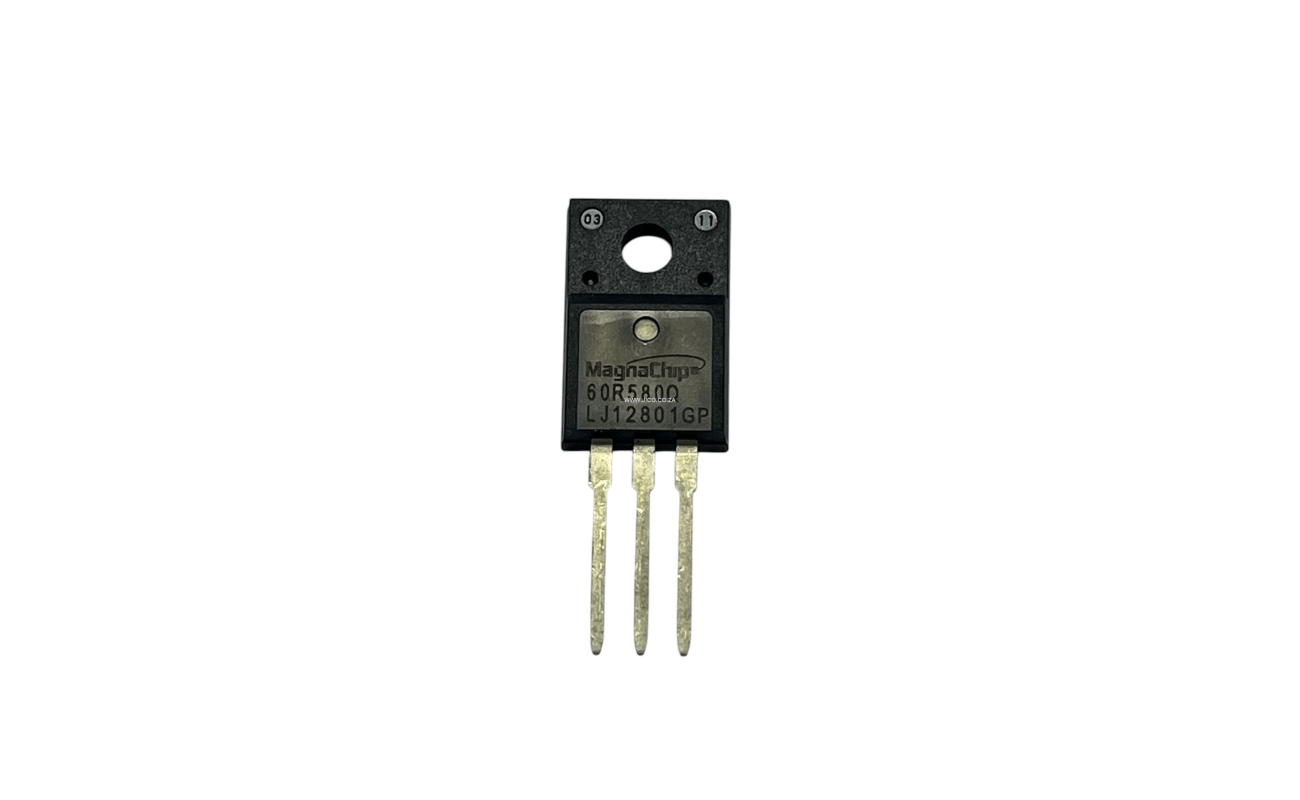

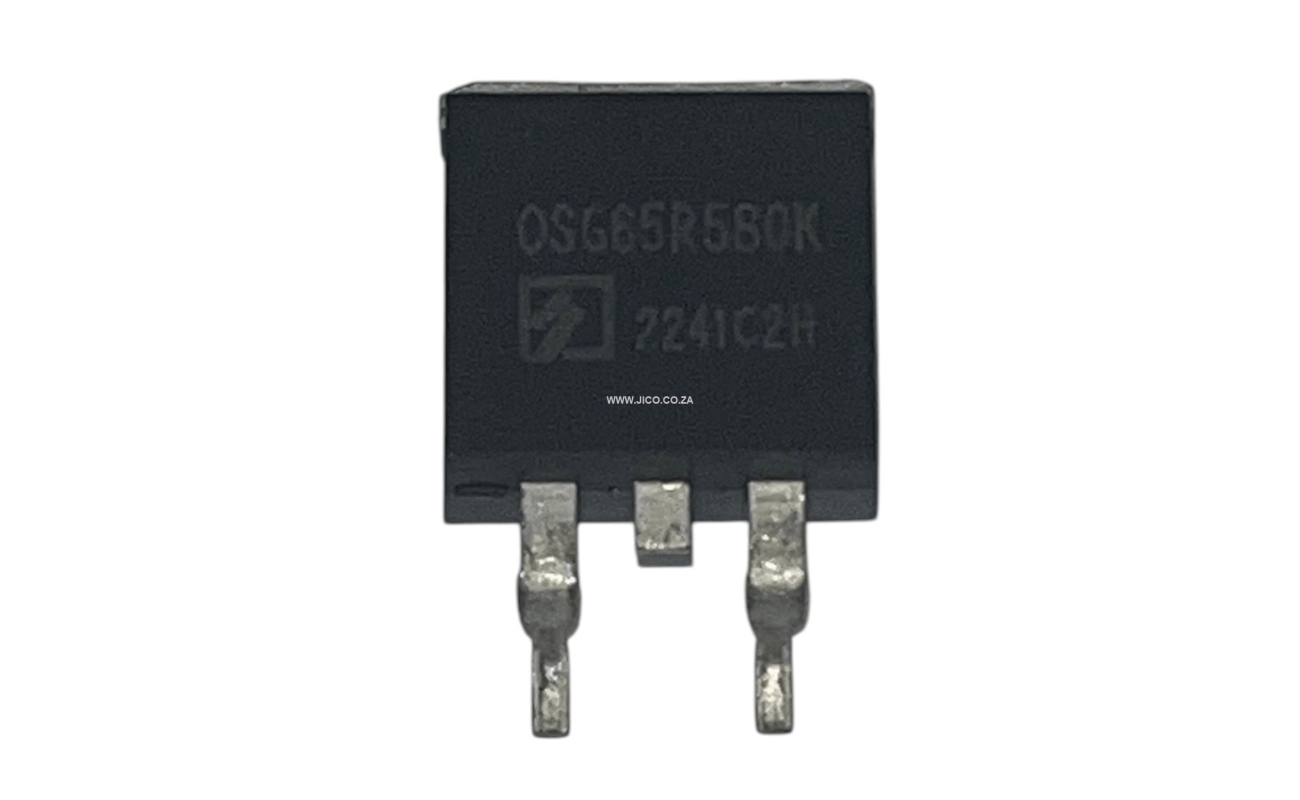

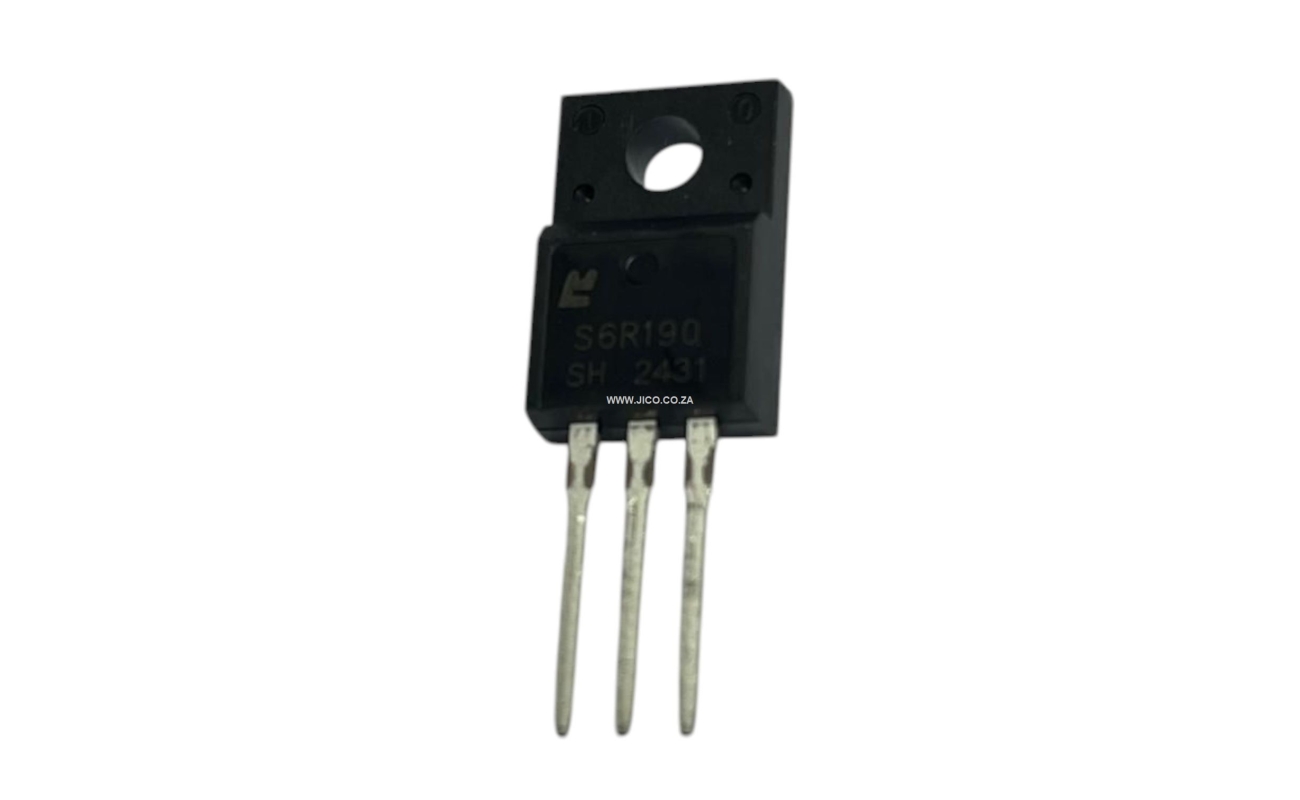
Load more products
Loading...
Frequently Asked Questions – MOSFETs & IGBTs
What is a MOSFET?
A MOSFET (Metal-Oxide-Semiconductor Field-Effect Transistor) is a voltage-controlled semiconductor device commonly used for switching and amplification in electronic circuits. MOSFETs are widely used in TVs, power supplies (SMPS), LED drivers, audio amplifiers, appliances and general electronics due to their fast switching speed and efficiency.
What is a IGBT?
An IGBT (Insulated Gate Bipolar Transistor) combines the fast switching characteristics of a MOSFET with the high-current handling capability of a bipolar transistor. IGBTs are commonly used in high-power applications such as inverters, induction cookers, microwave ovens, motor drives and industrial power systems.
What does a MOSFET part number mean?
MOSFET part numbers often encode key electrical characteristics such as current rating, voltage rating and channel type. For example:
STP10N60 typically indicates:
10A maximum drain current
N-channel MOSFET
600V drain-source voltage rating
The prefix usually identifies the manufacturer, while suffix letters often indicate package type or construction details.
How do I know the voltage rating of a MOSFET?
In many common MOSFET part numbers, the last two digits indicate the voltage rating multiplied by ten. For example:
60 → 600V
65 → 650V
50 → 500V
Always confirm using a datasheet, especially for critical or high-voltage circuits.
How do I identify the current rating of a MOSFET?
The number before the channel letter (N or P) often represents the approximate maximum drain current in amps. For example:
7N65 → approximately 7A
10N60 → approximately 10A
20N60 → approximately 20A
This value assumes ideal conditions and proper cooling.
What is the difference between N-channel and P-channel MOSFETs?
N-channel MOSFETs are the most commonly used type in power electronics and TV repairs. P-channel MOSFETs are used in specific circuit designs and are not interchangeable with N-channel devices. Using the wrong channel type can result in immediate circuit failure.
Can I replace a MOSFET with a higher voltage rating?
Yes. Using a MOSFET with a higher voltage rating than the original is generally safe and often recommended. Using a lower voltage-rated MOSFET than specified is not recommended and may result in premature failure.
Can I replace a MOSFET with a higher voltage rating?
Yes. Using a MOSFET with a higher voltage rating than the original is generally safe and often recommended. Using a lower voltage-rated MOSFET than specified is not recommended and may result in premature failure.
Can I replace one MOSFET brand with another?
Yes, provided the electrical specifications match or exceed the original part. Brand differences are acceptable as long as voltage, current, channel type, package and switching characteristics are compatible.
Is package type important when replacing MOSFETs?
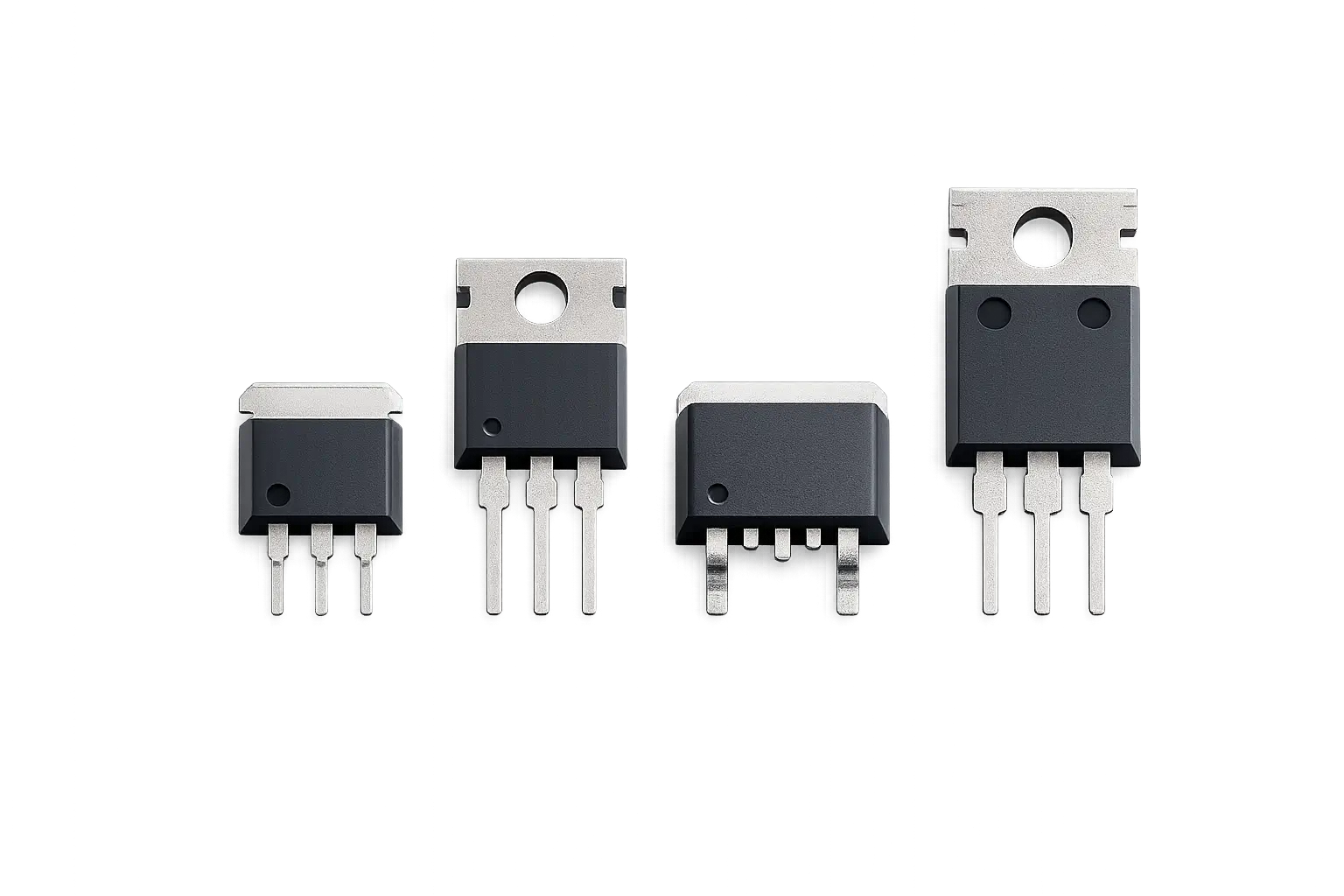
Yes. Package type affects heat dissipation and physical fit. For example, replacing a TO-247 device with a TO-220 device in a high-power circuit may cause overheating. Always match the package type or use a package with equal or better thermal performance.
What is Rds(on) and why does it matter?
A MOSFET (Metal-Oxide-Semiconductor Field-Effect Transistor) is a voltage-controlled semiconductor device commonly used for switching and amplification in electronic circuits. MOSFETs are widely used in TVs, power supplies (SMPS), LED drivers, audio amplifiers, appliances and general electronics due to their fast switching speed and efficiency.
How do I know if a MOSFET is suitable for SMPS or TV power supplies?
MOSFETs used in SMPS and TV power supplies must support:
High voltage ratings
Fast switching speeds
Suitable gate charge
Proper thermal handling
General-purpose MOSFETs may not perform reliably in these applications.
What causes MOSFETs to fail?
Common causes include:
Overvoltage or voltage spikes
Overcurrent or overheating
Poor heatsinking
Faulty gate drive circuitry
Secondary component failure causing overload
Replacing the MOSFET without addressing the root cause may result in repeated failure.
Are MOSFET numbers always standardised?
No. While many manufacturers follow similar numbering conventions, not all part numbers strictly encode current and voltage ratings. Always verify critical parameters using a datasheet, especially for unfamiliar parts.
How do I test a MOSFET?
MOSFETs can be tested using a multimeter for short circuits between drain, source and gate. More accurate testing requires a dedicated component tester or curve tracer. Always remove the MOSFET from the circuit for reliable testing.
What does the suffix on a MOSFET part number mean?
Suffix letters often indicate:
Package type (TO-220, TO-247, DPAK, etc.)
Lead-free or RoHS compliance
Insulated tab or mounting style
Suffixes do not usually change the core electrical ratings but affect physical installation.
Can I use a higher-rated MOSFET as an upgrade?
A MOSFET (Metal-Oxide-Semiconductor Field-Effect Transistor) is a voltage-controlled semiconductor device commonly used for switching and amplification in electronic circuits. MOSFETs are widely used in TVs, power supplies (SMPS), LED drivers, audio amplifiers, appliances and general electronics due to their fast switching speed and efficiency.
Do IGBTs also have voltage and current ratings in their part numbers?
Yes. Similar to MOSFETs, IGBT part numbers often include current and voltage ratings. For example, 40N60 generally indicates a 40A, 600V IGBT, though datasheet confirmation is always recommended.
Why buy MOSFETs and IGBTs from a wholesale supplier?
Wholesale suppliers offer:
Consistent stock availability
Better pricing for bulk purchases
Parts suited to local repair markets
Reduced risk of counterfeit components
This ensures reliable repairs and fewer callbacks.
Does JICO Electronics provide assistance with MOSFET selection?
Yes. JICO Electronics assists wholesale customers with part identification, cross-references and compatibility guidance to ensure the correct component is selected for each repair application.
Disclaimer:
MOSFET and IGBT part numbers generally follow common industry conventions but are not fully standardised across all manufacturers. Electrical ratings shown or implied are indicative only. Always verify critical parameters using the official datasheet, especially for high-power or safety-critical applications.